IN THIS ARTICLE
On a single-story house, you can put up sectional aluminum gutters yourself, as long as you get the slope right and seal every joint. Seamless aluminum is different. It's formed in one piece on site by a machine, so it's a contractor's job, and in the Greater Seattle area it runs $9 to $16 per linear foot installed, or $1,350 to $2,100 for a typical single-story home. Most single-story installs take a day. On a two-story house, hire it out.
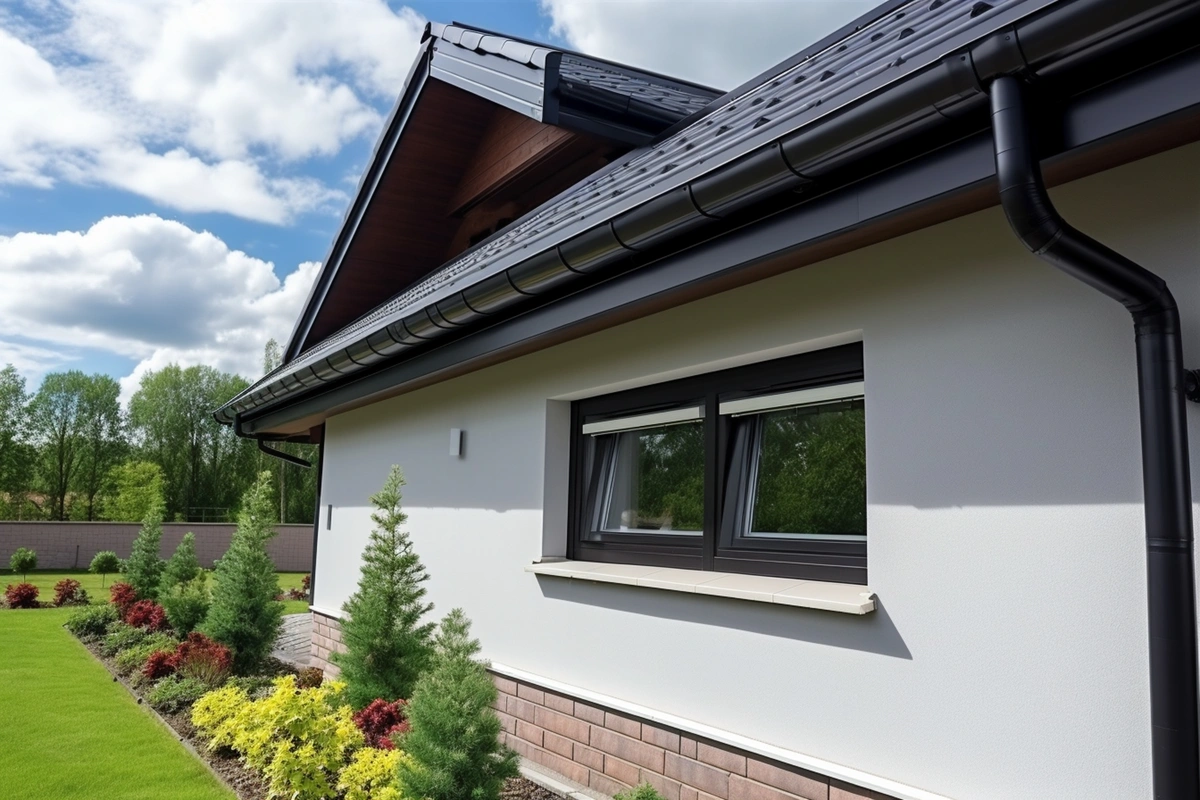
The proper functioning of roofs depends upon several factors. One of the factors is gutters. We may overlook this factor, but they play a vital role in safeguarding your home. These can gather and redirect rainwater away from the building.
A well-maintained gutter system protects your foundation, siding, and landscaping from potential water damage. This comprehensive guide offers valuable insights and a systematic approach to assist you in installing an effective gutter system for your home.
Before you buy anything, know which kind of gutter you can install. Seamless aluminum gutters are the standard on Pacific Northwest homes because there's no joint along the run to leak, but they're formed in one piece on site by a machine, so they're a contractor's job. What you can hang yourself is sectional aluminum, the lengths sold at hardware stores that you cut, join and seal. Still choosing a material? Our vinyl vs aluminum gutters comparison explains why aluminum gutters hold up better in Washington's rain.
Steel components, widely available in retail markets, typically feature zinc coatings and paint inside and out. To mitigate corrosion risks, you can avoid mixing steel and aluminum components.
If you've decided to do it yourself, the ten steps below walk you through a sectional install. After them you'll find what a pro install costs, the mistakes to watch for and how to decide which way to go.
Step 1: Collect The Necessary Tools
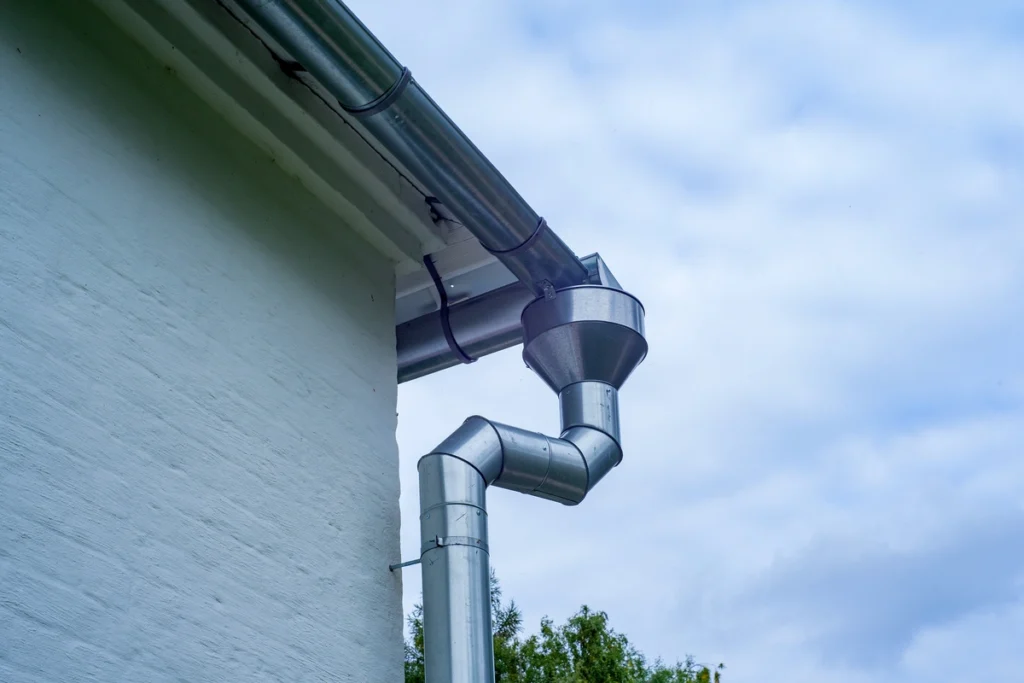
First, you need to make a list of essential equipment that is required for installation. You can start compiling all the necessary materials and tools for the project.
This includes aluminum gutter sections, downspouts, elbows, sealant, brackets, screws, and end caps. If you have everything organized and readily available, it will streamline the installation process. Plus, it prevents unnecessary delays.
Step 2: Plan and Measure
You can take time to plan the gutter layout carefully. You may consider factors such as the slope of the roof, area dimensions, and the optimal placement of downspouts for efficient water drainage.
Measuring the length and width of the roof where you wish to install the gutters is better. Carry a small book and note any corners or turns requiring special attention.
Step 3: Cut Gutter Sections
You can mark the dimensions with the help of a pencil or pen. Then, use a hacksaw to cut aluminum gutter sections to the appropriate lengths. You must make precise cuts to ensure proper fit and alignment during installation. Double-check measurements before cutting to avoid costly mistakes.

Step 4: Attach End Caps
You must apply sealant generously to the inside of each end cap before pressing them firmly onto the ends of the gutter sections. You must ensure the end caps create a watertight seal to prevent leaks. Proper sealing at the end caps is critical for the overall effectiveness of the gutter system.
Step 5: Install Gutter Brackets
Position gutter brackets along the roof edge at regular intervals, 24 to 36 inches apart. On our own installs we screw hidden hangers into the fascia every 24 inches, so a run doesn't pull away under heavy snow or ice. You can use a level to ensure the brackets are straight and properly aligned. Properly spaced brackets provide optimum support for the gutter sections. They also help maintain their structural integrity over time.
Step 6: Mount Gutter Sections
It’s time to secure the gutter sections to the brackets using appropriate screws. Start at one end and work your way along the roofline. This streamlined approach will ensure that each section is securely attached and sloped slightly downward towards the downspouts. Proper installation of gutter sections can facilitate water flow and drainage.
Step 7: Attach Downspouts and Elbows
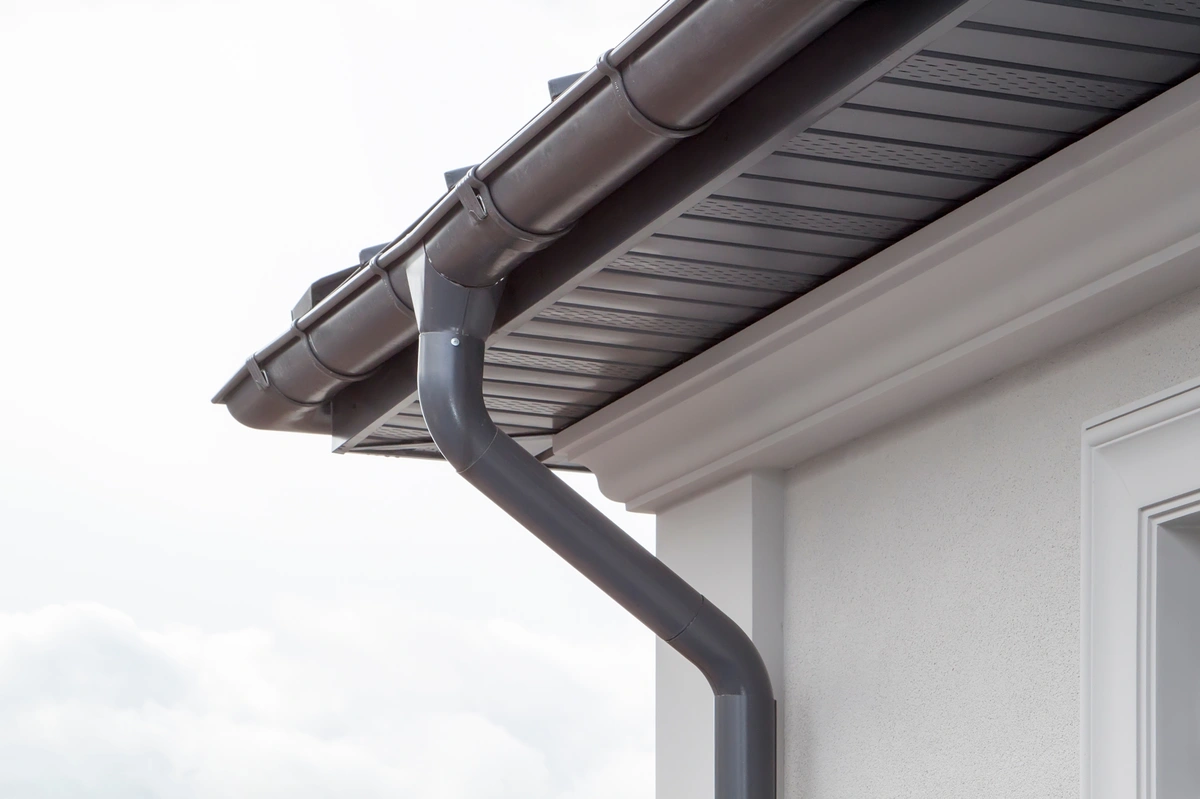
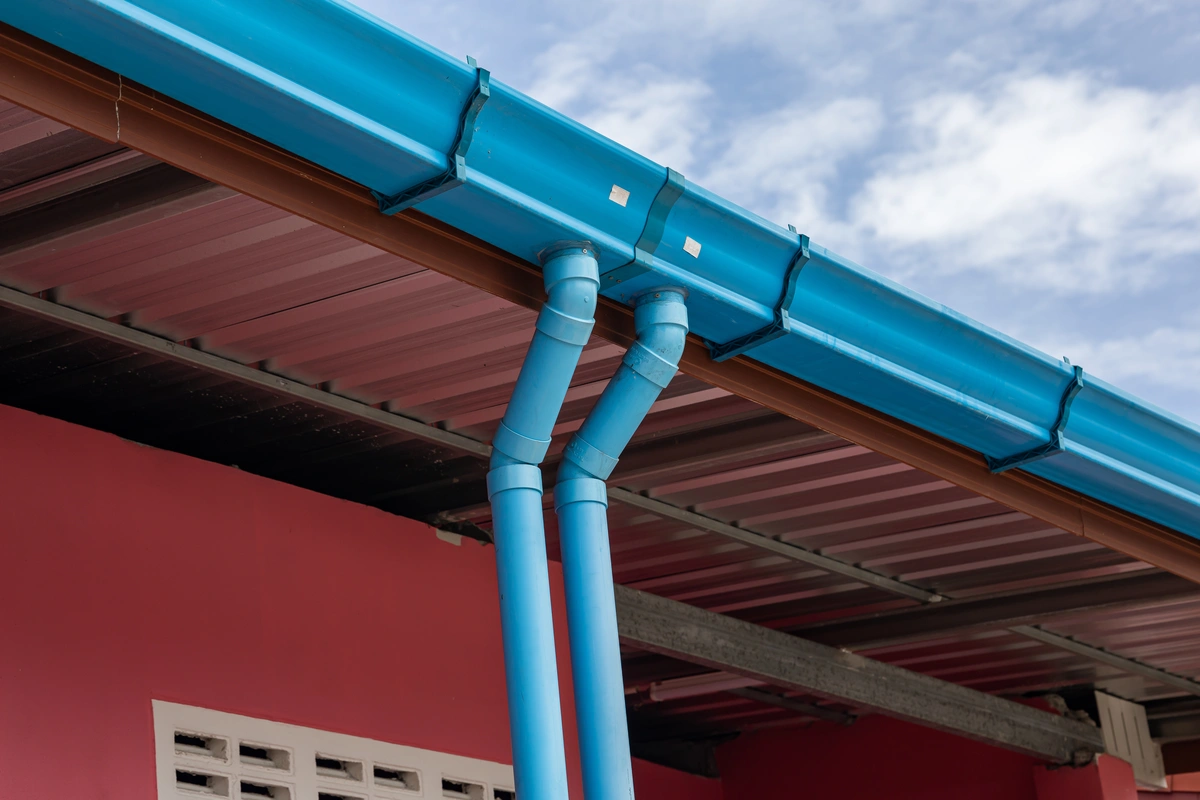
You can install downspouts at the end of each gutter run using elbows to direct water away from the foundation. Cut downspouts to the desired length and secure them to the wall using brackets if necessary. Properly positioned downspouts will direct rainwater away from your home’s foundation and prevent water damage.
Step 8: Seal Joints and End Caps
Now, you can apply sealant to all joints and end caps to prevent leaks. Please ensure you use a watertight seal. You can use a caulking gun and evenly apply the sealant. Properly sealed joints and end caps will maintain the integrity of the gutter system and prevent water infiltration.
Step 9: Test for Proper Drainage
Once installation is complete, test the gutters by running water through them using a hose. Check for leaks, clogs, or areas where water drains incorrectly. You can adjust the slope of the gutter sections or downspouts as needed to ensure proper drainage.
Step 10: Make Adjustments If You Face Issues
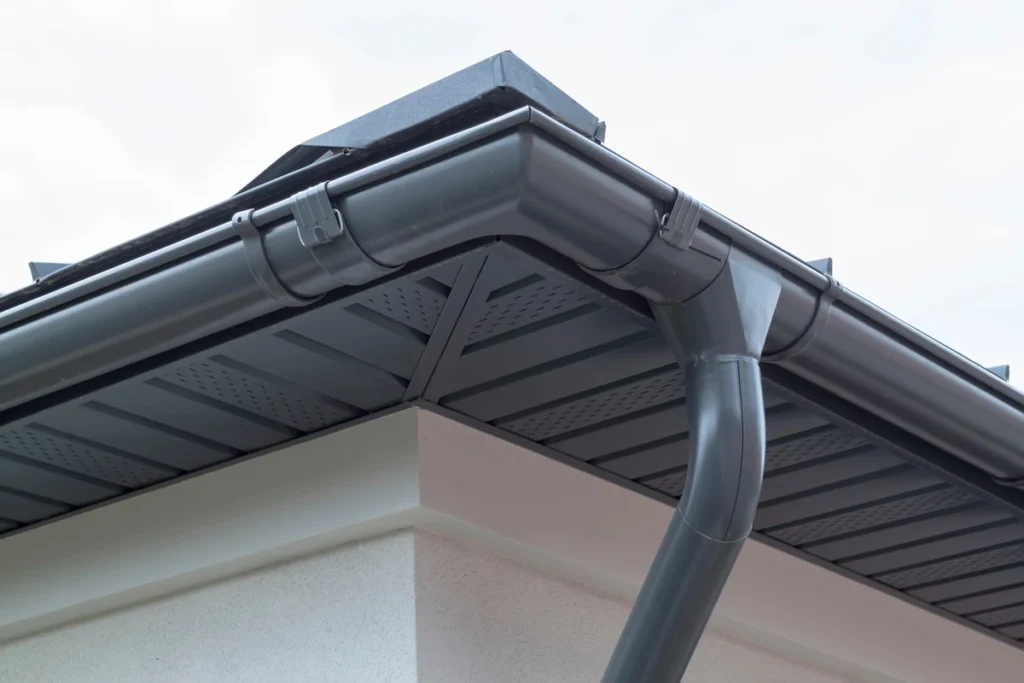
If you encounter any issues during testing, make necessary adjustments, such as realigning gutter sections, tightening screws, or adding additional brackets for support. Take the time to address any issues promptly and prevent water damage to the gutter system.
How Much Does Aluminum Gutter Installation Cost?
In the Greater Seattle area, a professional install of seamless aluminum gutters runs $9 to $14 per linear foot for 5-inch gutters and $11 to $16 for 6-inch. A typical single-story home has about 150 linear feet and lands at $1,350 to $2,100. A two-story home with 220 to 260 feet runs $2,000 to $3,600. New downspouts add $4 to $7 per linear foot. Sectional aluminum put up by a pro is cheaper, about $5 to $10 per foot, but in our rain its joints tend to start leaking within 5 to 7 years.
Where your project lands depends on the total linear feet, the height of the eaves, how many corners and downspouts the layout needs and whether old gutters have to come off first. Doing it yourself saves the labor. You still pay for the gutter, hangers, fittings and sealant, though, and every hour of the work happens on a ladder.
How Much Slope Do Gutters Need?
To maintain proper drainage in your gutters, ensure a slope of ½ inch for every 10 feet towards a downspout. For gutter spans exceeding 40 feet, we suggest inclining the gutter downward from the middle towards a downspout at each end. Alternatively, you can slope the gutters downward from both ends towards a single downspout in the middle of the run.
But if you are unsure about the slopes and measurements, hire a professional roofing company to install the gutter properly.
Install It Yourself or Hire a Pro?
Doing it yourself makes sense on a single-story house with a simple roofline, where you can reach every run from a ladder on firm, level ground. Hire a pro if the house has a second story, if the old gutters have to come off first or if you want seamless. Seamless aluminum lasts 25 to 30 years here and sectional 12 to 18, so on a house you plan to keep, the higher price buys more than a decade.
If you do it yourself, watch for these:
- Leaky joints. Every seam in a sectional run can leak, and in our rain those joints tend to start leaking within 5 to 7 years. Seal each one well and check them every fall.
- Soft wood behind the old gutters. Years of overflow can rot the fascia, and screws won't hold in rotted wood. During a gutter replacement, we inspect the fascia and repair rotted wood before the new gutters go up.
- Downspouts that empty at the foundation. Point each one so the water lands at least 4 feet from the house.
- The ladder. Set it on firm, level ground with the base about 1 foot out for every 4 feet of height, extended at least 3 feet above the edge. A second-story eave is the point to call someone.
Titan Roofing installs seamless aluminum gutters from our base in Kenmore. We form them in your driveway, screw the hangers into the fascia every 24 inches and finish most single-story homes in a day, and the inspection and estimate are free. For local prices, see our pages on gutter installation in Kenmore and seamless gutters in Kent.
A family-owned CertainTeed SELECT ShingleMaster contractor based in Kenmore, WA. We install, repair and clean roofs across the Eastside and North King County, and we write about what we find on them. Book a free inspection →