
Costs, materials, maintenance and repairs for Western Washington homes, written by roofers, not marketers.
33 articles
 OCT 19, 2026
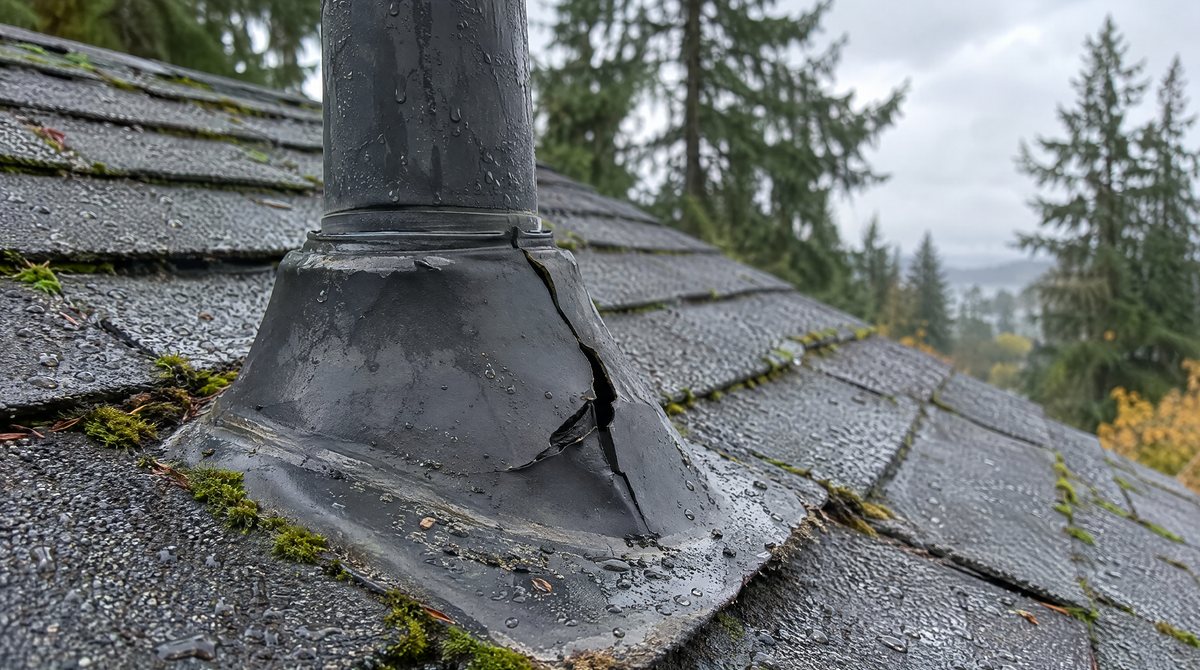
What a roof leak repair costs in Washington in 2026, by leak source: vent boots, flashing, valleys, rotted decking and emergency tarps, plus permits in Kent, Kenmore and Lynnwood.
Read Article →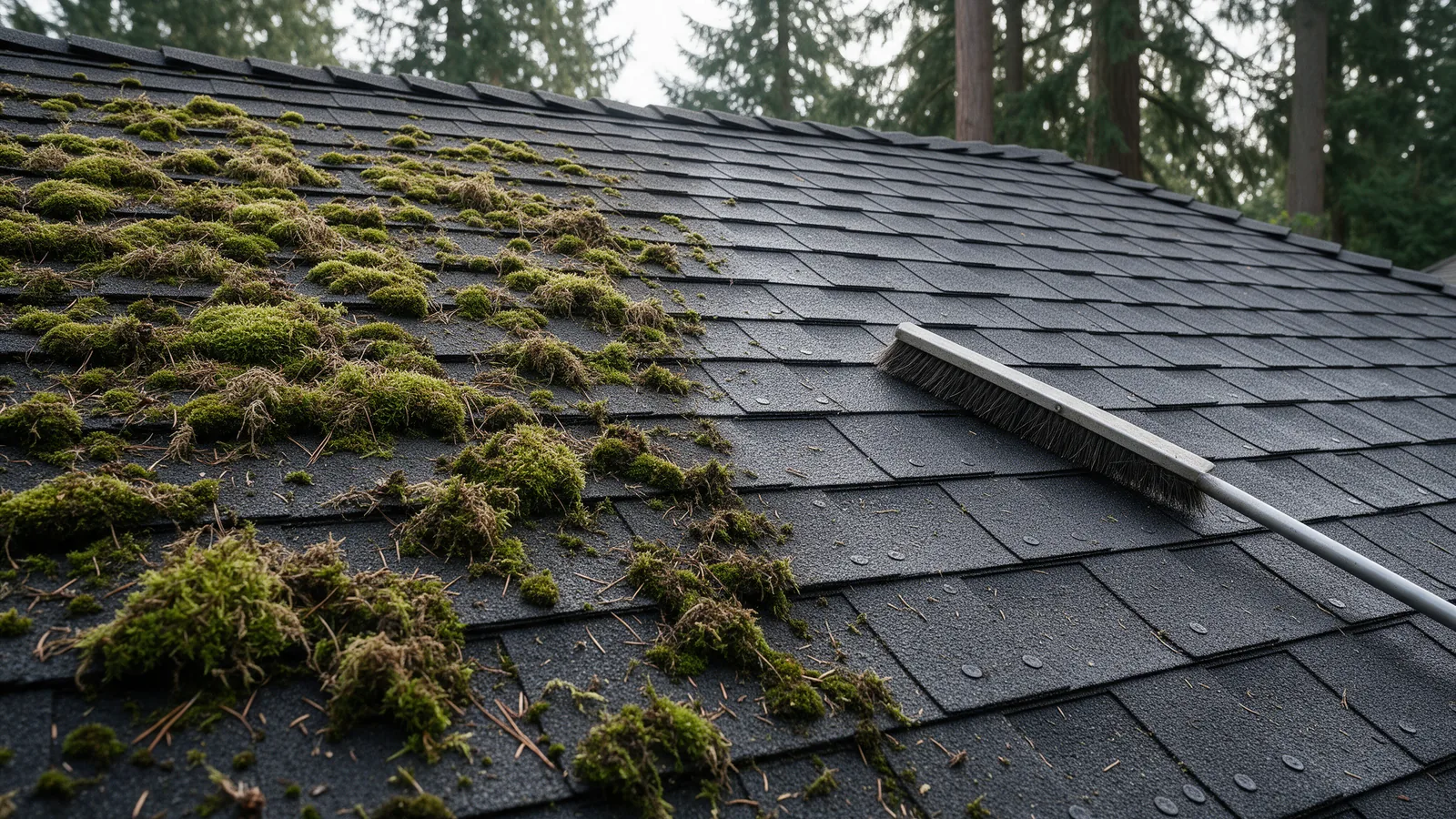 SEP 24, 2026
Kill roof moss first, then brush it off downslope and rinse at low pressure. See the safe DIY steps and when to call Titan for a free inspection.
Read Article →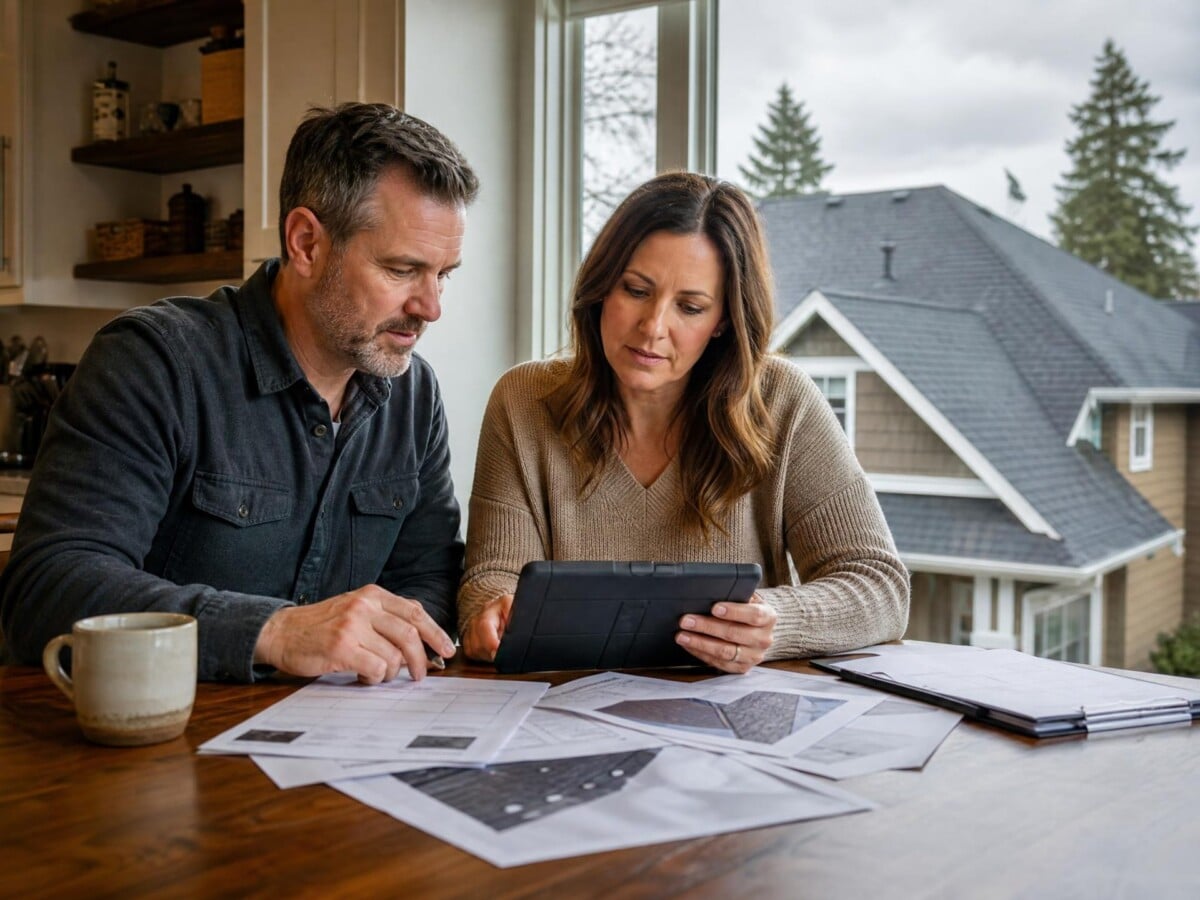 AUG 24, 2026
Contractor financing, home equity, personal loans, 0% cards, and insurance — the 5 ways WA homeowners pay for a roof, with real rates and monthly payments.
Read Article →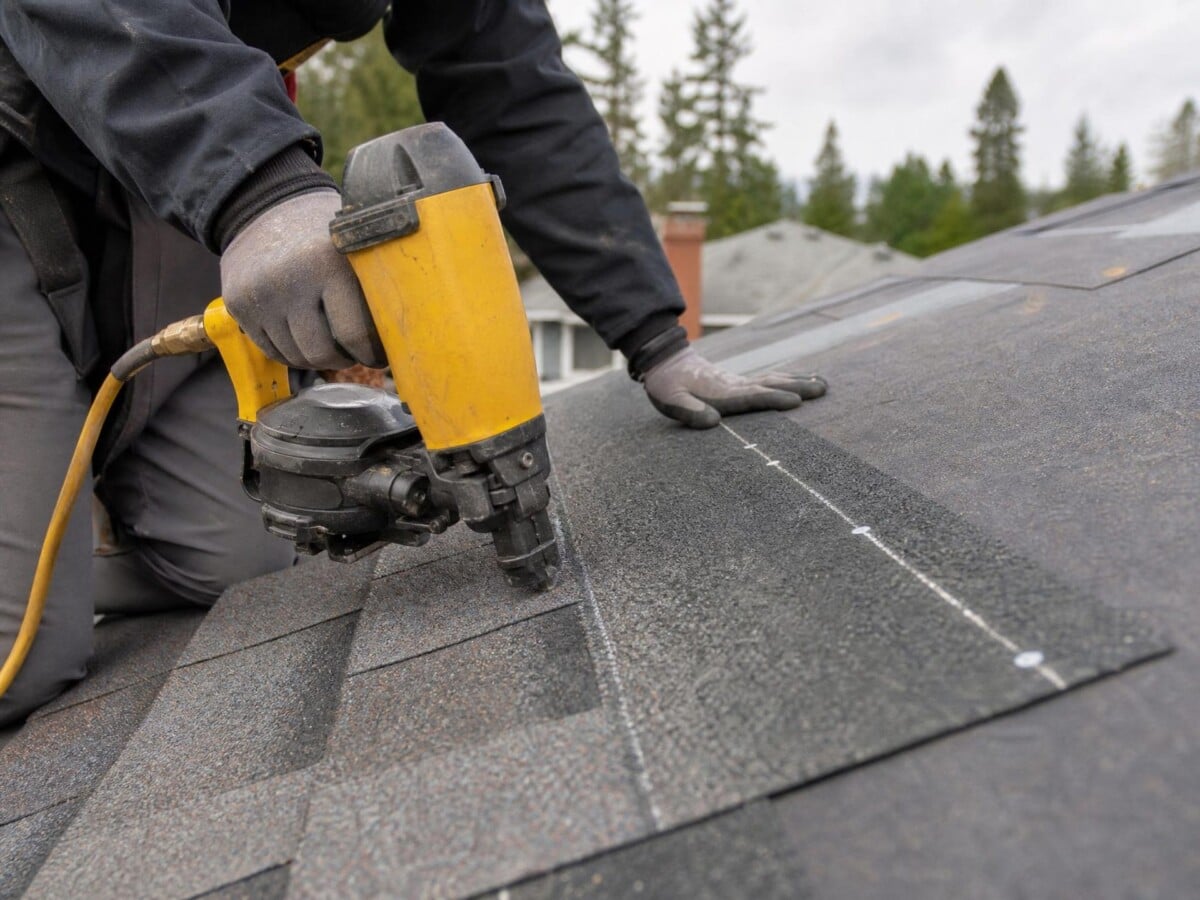 AUG 20, 2026
Standard asphalt shingles take 4 nails each — 6 nails in high-wind areas, on steep slopes (over 21:12), and wherever the manufacturer’s high-wind spec applies. Placement matters as much as count: nails belong on the marked nail line, where they also catch the top edge of the course below. A typical roof uses roughly 320
Read Article →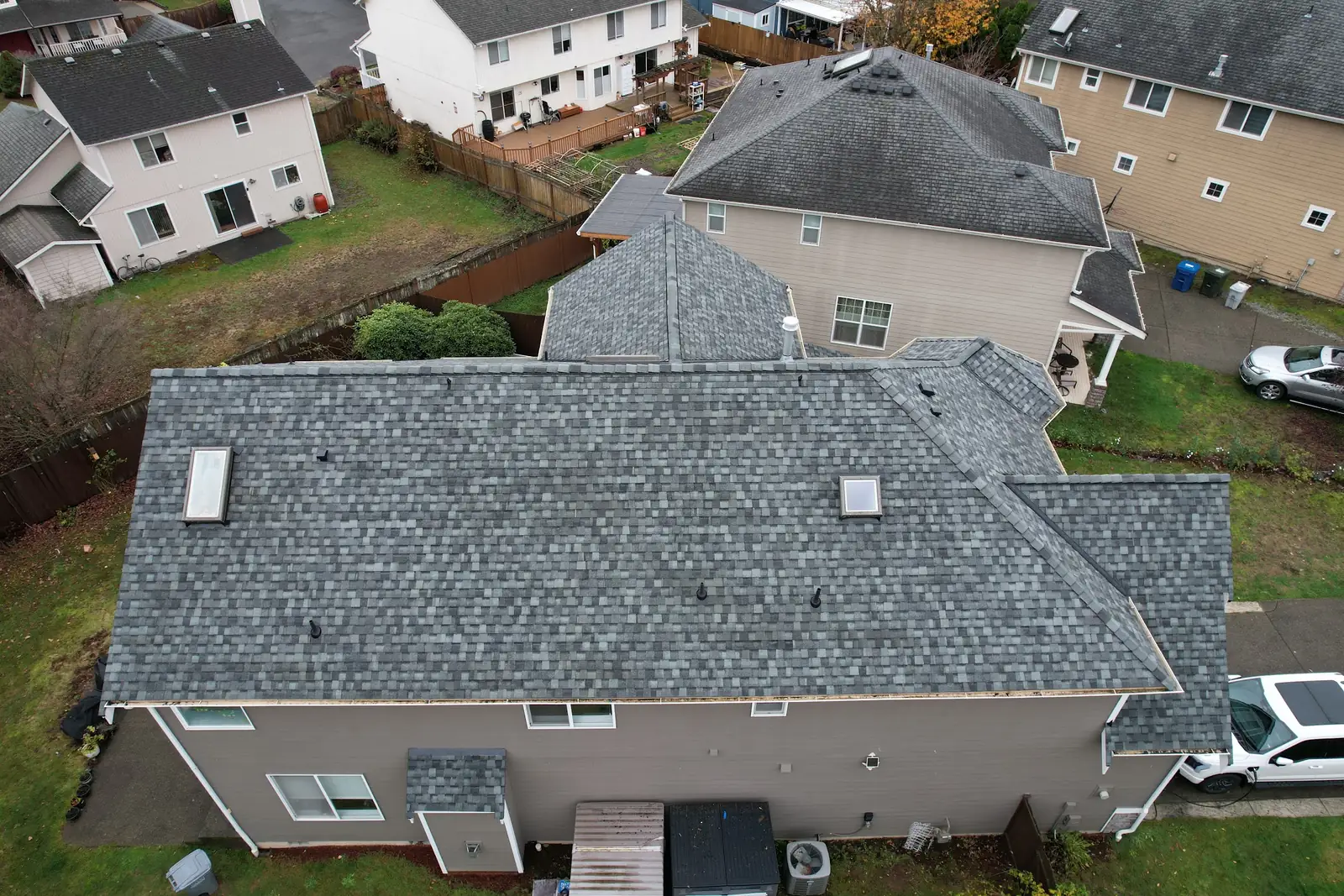 AUG 20, 2026
The minimum roof pitch for asphalt shingles is 2:12 — two inches of rise per foot of run — and between 2:12 and 4:12 code requires upgraded underlayment (a double layer or a self-adhering membrane). Below 2:12, shingles are not allowed at all: water drains too slowly and migrates under the tabs, so low-slope sections
Read Article →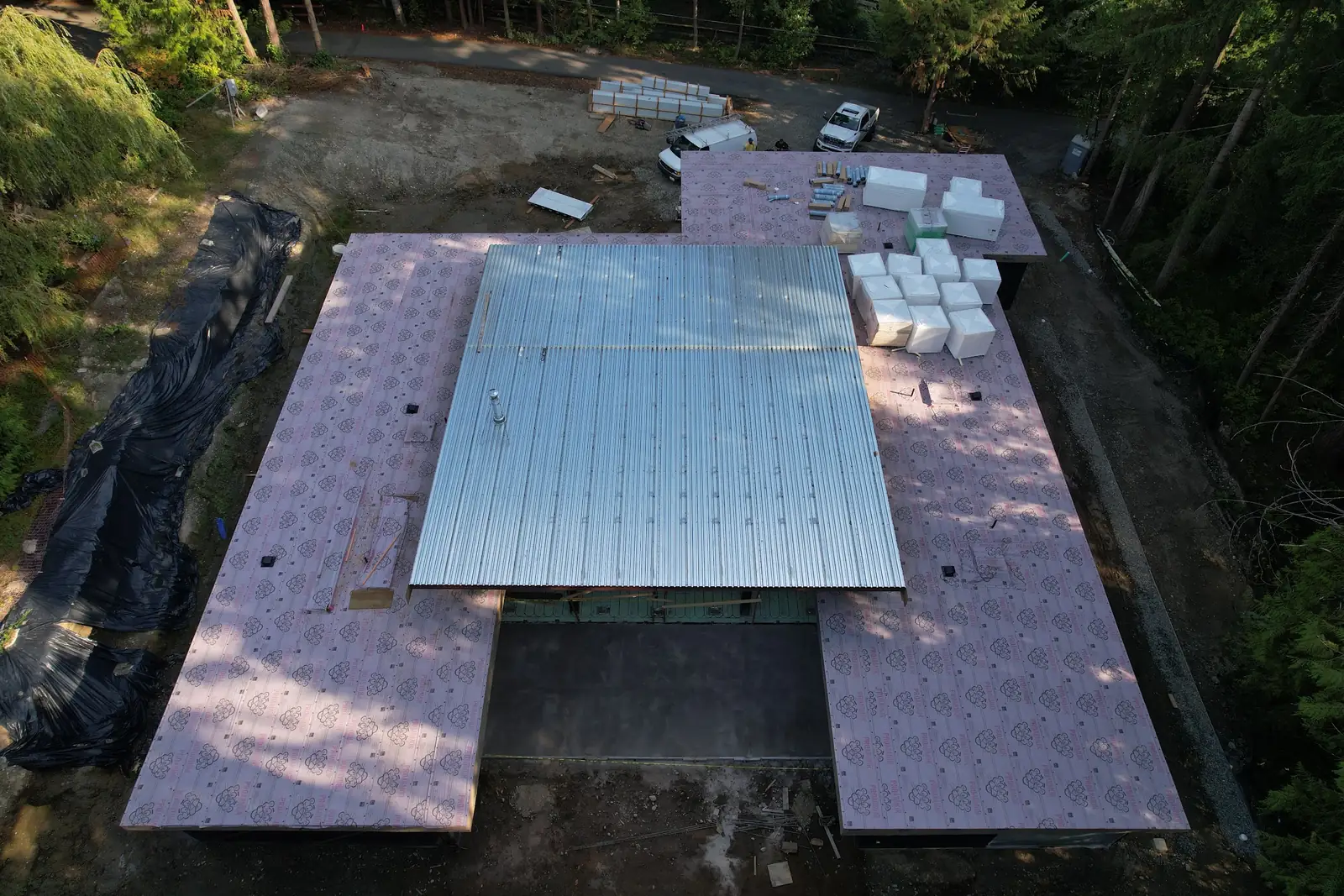 AUG 20, 2026
There are three types of roof underlayment: asphalt-saturated felt (#15 and #30), synthetic, and self-adhering peel-and-stick membrane. Synthetic has become the standard on quality installs — it costs $0.10 to $0.25 per square foot against felt’s $0.05 to $0.10, but it is far stronger, lays flatter, and tolerates exposure during the build. Peel-and-stick is the
Read Article →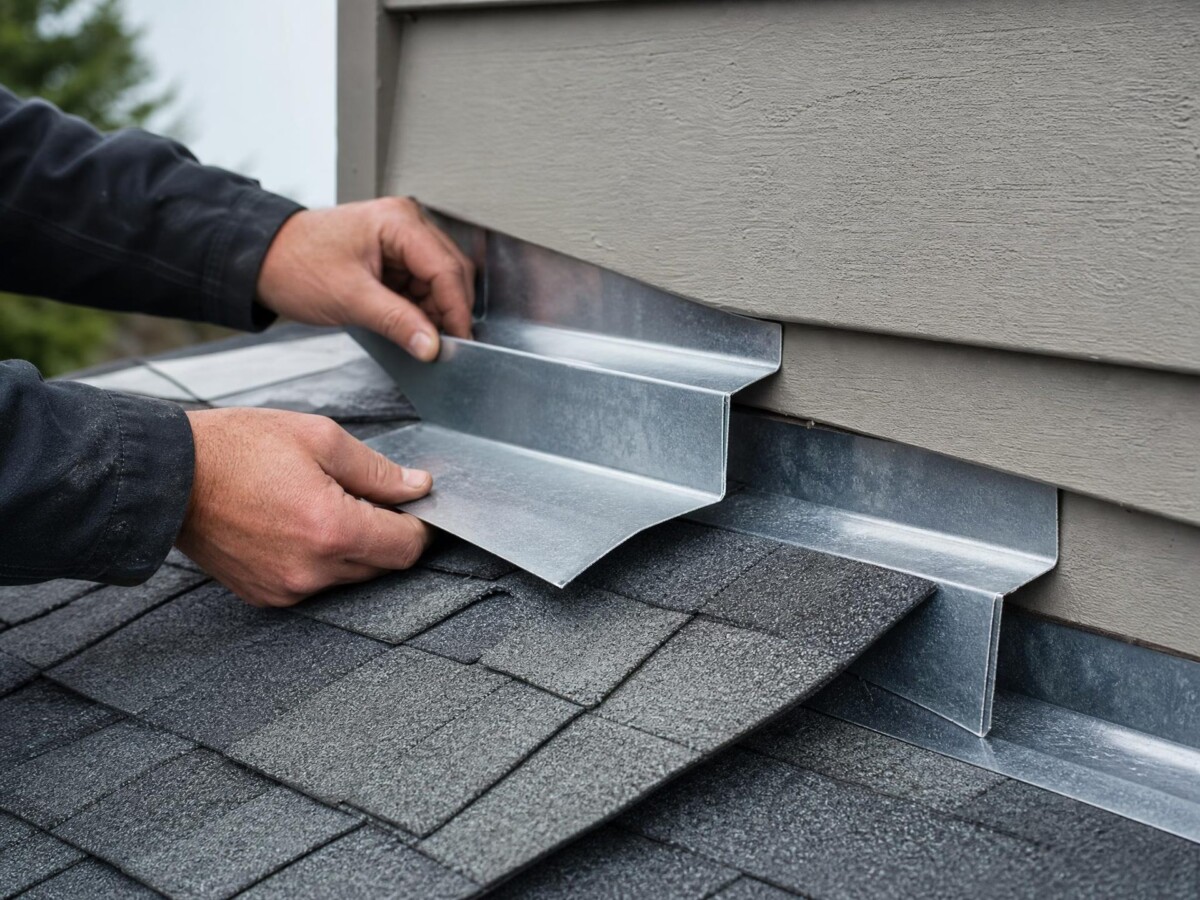 AUG 20, 2026
Roof flashing is the metal that waterproofs every place the roof plane is interrupted — and there are 8 main types, each with one specific job. Step flashing guards walls, valley metal carries concentrated runoff, drip edge protects the deck edge, kick-out diverts water away from siding, and counter flashing caps it all. Flashing failures
Read Article →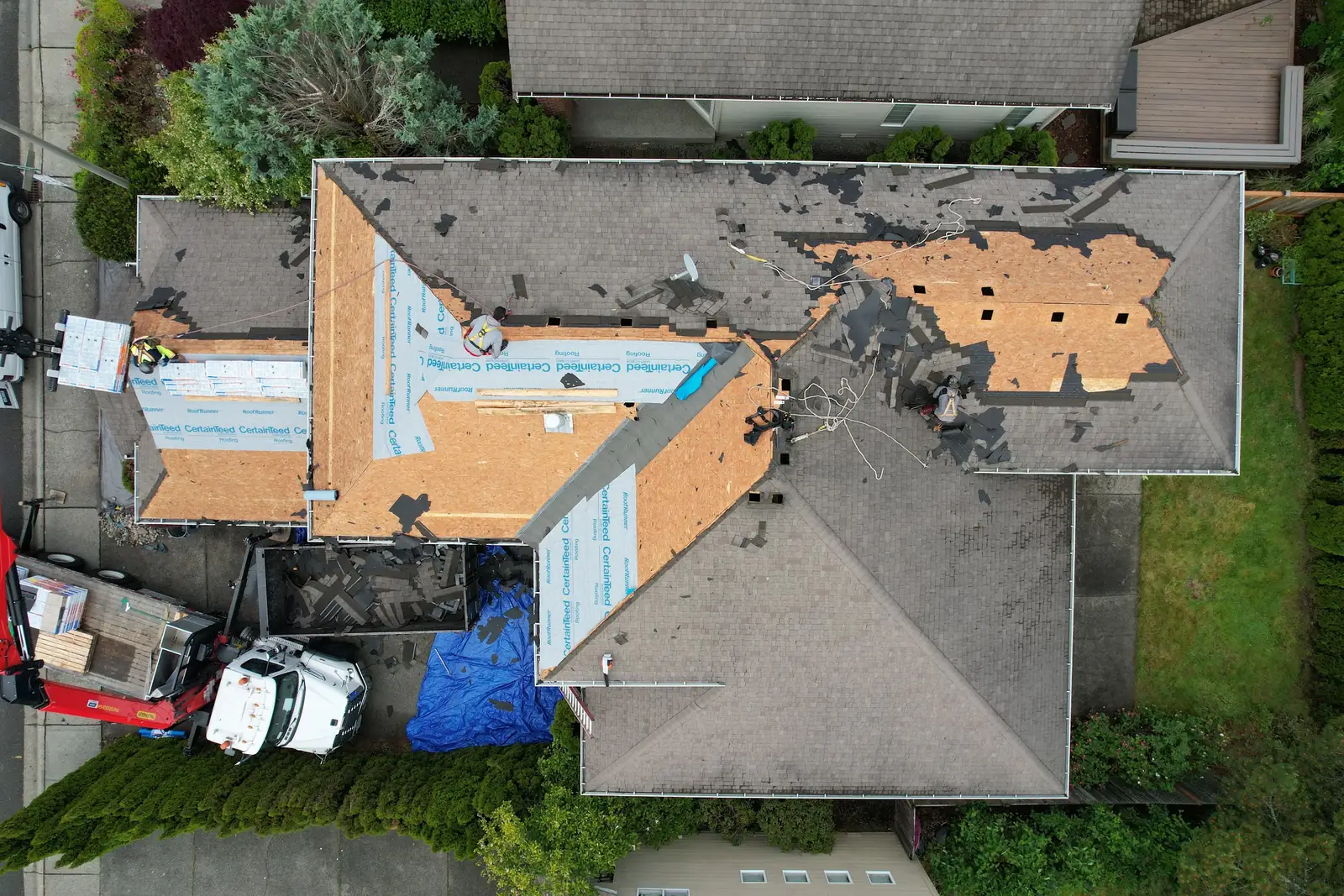 AUG 20, 2026
Where ice and water shield goes on a roof, when Washington code requires it, and what it costs — the underlayment spec guide for Greater Seattle homes.
Read Article →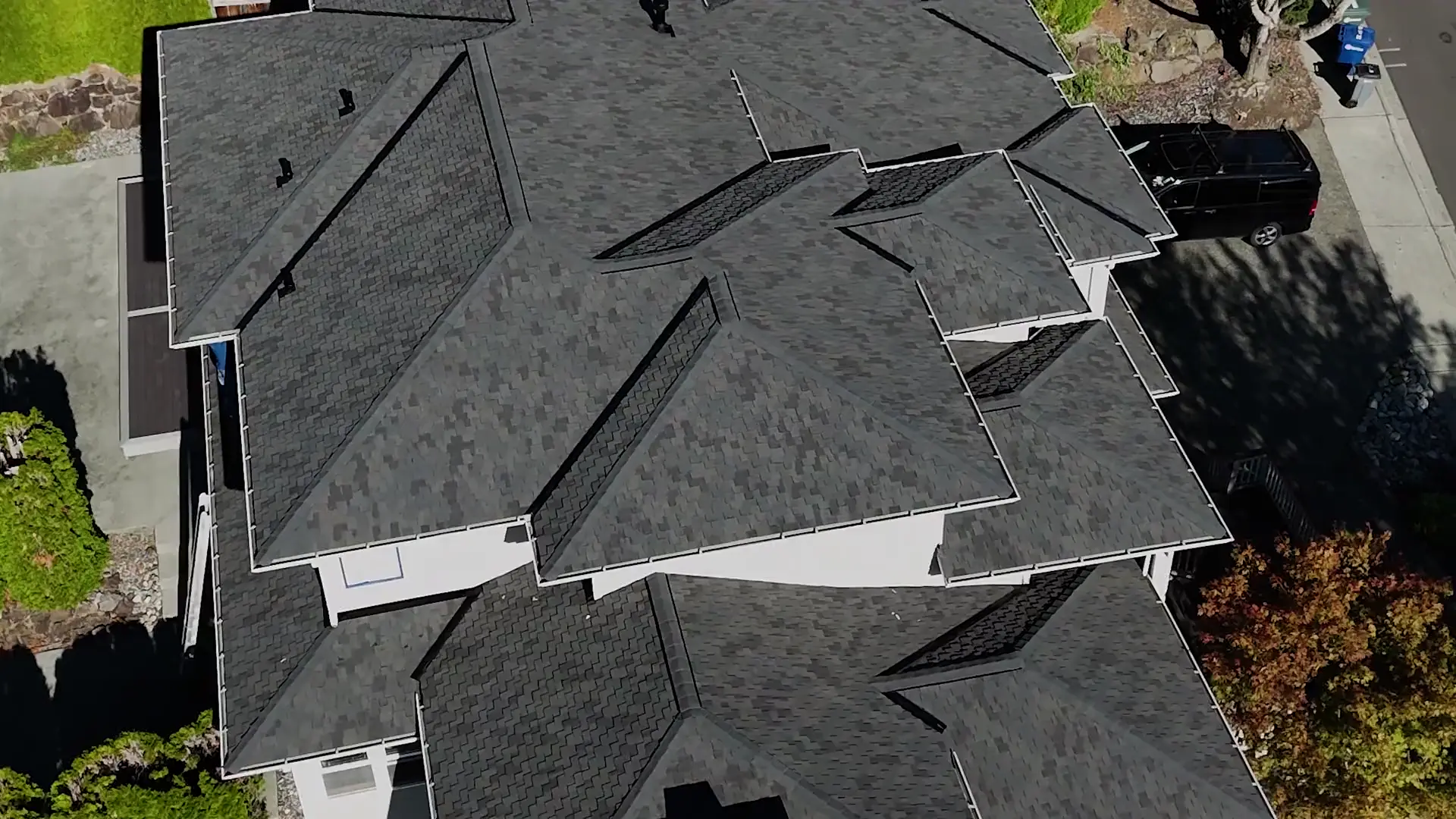 AUG 6, 2026
“Metal roof overhang” means two different things, and mixing them up is where problems start. The structural overhang — how far the roof projects past the exterior wall — is usually 12 to 24 inches, the same as any roof. The panel overhang — how far the metal extends past the drip edge into the
Read Article →JUL 23, 2026Manufacturer certifications like CertainTeed ShingleMaster and SELECT ShingleMaster tell you a roofer has been vetted by the manufacturer and can offer stronger warranties. They matter, but they are not the whole story. Here is what each tier actually means, and what to check alongside the badge before you sign a contract.
Read Article →
Book a free roof inspection. We check it in person, usually within 1–2 days, and tell you straight what it needs.
Free & no obligation · We reply within 1 hour · Or call (206) 591-4015